Wine tastings at agritourisms in Italy: typical and organic products
Wine tastings and wine tastings at the Agriturismo
choosing the best villas, B&Bs and Agritourism for your holidays in the countryside, since 1998
- Choose your destination
- Cancel Dates [X]
Info and Description
Wine tastings and agritourism in Italy: facts, experiences, and how to choose
Short definition
Wine tastings and agritourism experiences combine a stay on a farm or vacation home with a guided tasting of local wines directly in the cellar or vineyard, paired with typical local products. In 2025, wine tourism generated €3.1 billion for Italian wineries, contributing an average of 21% of their revenue. Thirty-four percent of agritourism businesses in Italy organize wine tours, with Tuscany leading the way (59.4% of the national total).
(Sources: Nomisma Wine Monitor for UniCredit and Vinitaly, Vinitaly 2026; based on Agriturismo.net data)
In short
The properties on Agriturismo.net offering wine tastings are characterised by:
• guided tastings of local DOC and DOCG wines, in the cellar or among the vineyards
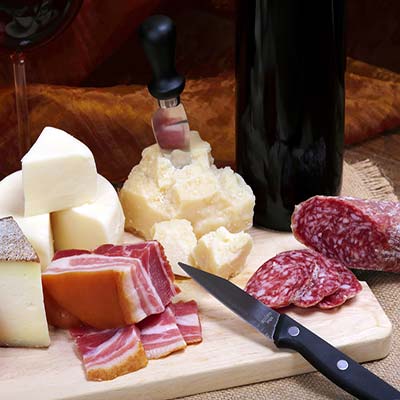
• pairing with typical products: cured meats, cheeses, extra virgin olive oil, artisanal bread
• guided visits to cellars, vineyards and oil mills with explanations of the production processes
• possibility of direct purchase of wines and company products
• available typologies: farmhouses and holiday homes in the main Italian wine-growing regions
Costs and seasonality:
• guided tasting: on average between €20 and €40 per person
• wine tour with lunch included: between €80 and €120 per person
• direct purchase at the winery: average spend of €150 per visitor (7.3 bottles, average receipt €147)
• peak season: August–November (grape and olive harvest)
Explanation
Wine tourism in Italy: €3.1 billion in 2025
In 2025, wine tourism generated €3.1 billion for Italian wineries, contributing an average of 21% of their turnover, with a share rising to 35% for smaller businesses (with turnover of less than €1 million, or 70% of the total). This is according to the first report on the wine tourism market presented by UniCredit and Nomisma Wine Monitor at Vinitaly 2026, conducted on a sample of 300 wineries and 13 Protection Consortia across the country. Forty-seven percent of wineries reported an increase in wine tourists in 2025, 50% saw their wine tourism revenue grow, and 48% expect further growth in the future. Italy welcomed over 138 million tourists in 2025, with foreign tourists reaching a record 75 million.
(Sources: Nomisma Wine Monitor for UniCredit and Vinitaly, Vinitaly 2026)
The identikit of the wine tourist
The wine tourist profile offers very specific insights. Fifty-eight percent of winery visitors are Italian, 36% of whom come from the same region as the winery. The remaining 42% are foreign: the main markets are Germany, the United States, the Netherlands, Switzerland, and the United Kingdom. Fifty-one percent of visitors are couples and families with children, and 36% are groups. The most represented age group is between 41 and 55, but 32% are under 40. This is particularly relevant for those planning wine tasting experiences at agritourism: 58% of winery visitors do not consider themselves wine experts. Wine tourism is therefore an experience accessible to everyone, not just enthusiasts. For US tourists, 35% have already had at least one wine tourism experience, with medium-high expenditures: up to €150 for direct wine purchases and up to €300 for overnight stays. 79% are likely to recommend the experience.
(Sources: Nomisma Wine Monitor for UniCredit and Vinitaly, Vinitaly 2026; Forniturealberghiereonline.it, 2026)
Wine tasting converts into purchases
According to Wine Suite 2025 data, 77.4% of winery visitors purchased wine after their experience, either at the winery's point of sale or through shipping. The average purchase was 7.3 bottles, with an average receipt of €147. This is higher than the €117.50 in 2022, demonstrating that winery visits aren't just promotional activities but also have a direct impact on sales. Visiting a winery or agritourism with a wine tasting, in short, means not only tasting, but also taking home a part of the experience.
(Sources: Wine Suite / Nomisma, 2025)
The most sought-after areas: where wine tourism is growing the most
Arrivals in the municipalities of the main Italian wine denominations grew in the period 2019–2024 above the regional average, confirming the driving effect of wine on local tourism:
• Conegliano Valdobbiadene Prosecco Superiore DOCG (Veneto): 26.5% against the regional average of 8.3%
• Amarone della Valpolicella (Veneto): 21.2%
• Barolo (Piedmont): 17.6% against the 3.4% of Piedmont
• Franciacorta (Lombardy): 16% against 5.7% in Lombardy
• Collio (Friuli Venezia Giulia): 27.9% against the 11.4% of Friuli
• Brunello di Montalcino (Tuscany): 39% (data detected in previous Nomisma research)
On the international demand front, sparkling and white wines are growing especially in the South: Puglia 477% in sparkling wine exports in the last decade, Sicily 227%, Tuscany 162%.
(Sources: Nomisma Wine Monitor for UniCredit and Vinitaly, Vinitaly 2026)
Market data and trends (Agriturismo.net)
Analyzing the offerings of accommodations offering wine tastings on Agriturismo.net:
• 34% of farmhouses organize wine tours
• 40% of the facilities with wine tasting also offer catering service
• Tuscany is the region with the most facilities offering food and wine experiences (59.4% of the national total)
(Sources: Based on data from Agriturismo.net)
Practical part
How to choose a farmhouse or holiday home for wine tastings
• Check whether the wines being tasted are of their own production: the most authentic establishments offer exclusively company labels, which makes the experience more genuine and direct
• Ask if the tasting is guided: there is a substantial difference between an aperitif with a glass of local wine and a structured tasting conducted by a sommelier or the producer
• Evaluate the type of pairing: the best wine tastings in farmhouses include pairings with cured meats, cheeses, oil and typical local products, which amplify the characteristics of the wines
• Check the calendar of experiences: the grape harvest (August–October) and the olive harvest (October–November) are the periods with the most seasonal activities
• Check the possibility of direct purchase: many farmhouses allow you to purchase wines, oils and company products directly in the cellar, often at more advantageous prices
• Consider the length of your stay: the most complete wine tourism experiences are enjoyed over several days, with the possibility of visiting different producers in the same wine-growing area
• Ask if tastings are available in other languages: this is especially relevant for mixed-nationality groups or couples
• Ask the owner: Have any questions? Before booking, write directly to the property by entering your request without obligation using the "Ask the owner" button on the page of the property you are interested in.
FAQ
What is a wine tasting at a farmhouse?
A wine tasting at a farmhouse is a guided tasting experience of the wines produced by the farm, often paired with typical local products and accompanied by explanations about the characteristics of the grape varieties, production methods, and food pairings.
How much is the wine tourism market worth in Italy?
In 2025, wine tourism generated €3.1 billion for Italian wineries, equal to 21% of the average company turnover. Forty-seven percent of wineries reported an increase in wine tourists, and 50% saw their revenue from this activity grow.
(Sources: Nomisma Wine Monitor for UniCredit and Vinitaly, Vinitaly 2026)
Do you have to be a wine expert to go on a wine tasting at a farmhouse?
No. 58% of those who visit a winery don't consider themselves wine experts. Wine tasting experiences at agritourisms are designed to be accessible to all levels, from beginners to enthusiasts, with explanations tailored to those approaching the world of wine for the first time.
(Sources: Nomisma Wine Monitor / Forniturealberghiereonline.it, 2026)
Which Italian region is most renowned for wine tasting at agritourisms?
Tuscany is the region with the highest concentration of establishments offering wine tours and tastings (59.4% of the national total on Agriturismo.net), thanks to appellations such as Chianti Classico, Brunello di Montalcino, Vino Nobile di Montepulciano, and Vernaccia di San Gimignano. It is followed by Piedmont (Barolo, Barbaresco, Asti), Veneto (Prosecco, Amarone, Soave), Sicily (Nero d'Avola, Grillo, Nerello Mascalese), and Puglia (Primitivo di Manduria, Negroamaro, Locorotondo).
What is the best time for a wine tasting experience?
It depends on the experience you're looking for. The grape harvest (August–October) is the most engaging time to visit the wineries in full swing. The olive harvest (October–November) allows you to pair wine with new oil. Spring, with the vineyards in bloom, is ideal for landscape tours. Winter offers greater availability and lower prices.
How much does it cost to visit a winery or a farmhouse with wine tasting?
A guided tasting averages between €20 and €40 per person. A wine tour including a visit and lunch can cost between €80 and €120. Those who purchase wine directly from the winery spend an average of €147 per visit (about 7 bottles).
(Sources: Wine Suite / Nomisma, 2025)
Can you buy wine directly at the farmhouse?
Yes, and it's one of the most appreciated benefits of wine tasting at a farm. 77.4% of visitors purchase wine after the tasting, with an average receipt of €147. Purchasing directly often allows you to find wines not available in large retailers and take home an authentic souvenir of the region.
(Sources: Wine Suite / Nomisma, 2025)
Are wine tastings at farmhouses suitable for families?
Yes. 51% of visitors to Italian wineries are couples and families with children. Many establishments also offer non-alcoholic activities for children, such as vineyard tours, cooking workshops using local products, or interaction with farmyard animals.
(Sources: Nomisma Wine Monitor, 2026)
What is the difference between a tasting and a wine tour?
A tasting is a shorter experience focused on sampling wines, usually in a winery. The wine tour also includes a visit to the vineyard, explanations of the production processes, often a meal or snack featuring local products, and sometimes multiple wineries in a single itinerary.
Sources
Italian wine tourism revenues amount to €3.1 billion – WineNews, 2026
Vinitaly 2026: Scenarios and Prospects for Wine Tourism in Italy – Nomisma
Report on Italian Food and Wine Tourism 2025 – Roberta Garibaldi / AITE
Italy has a lot to offer wine tourists on holiday: wine tours featuring red, white and rosé wines in the typical cellars scattered along the so-called “ Wine Routes ”, which run across the entire country from North to South.
From Piedmont's Barolo to Sicily's Nero d'Avola, passing through Tuscany's Chianti , the Italian wine scene has always been rich in DOC grape varieties; why not treat yourself to a break and fully enjoy wine tastings and wine tours on agritourism farms?
A hearty sip of good cheer and a lighthearted toast could give you an unforgettable holiday full of delicious flavors and genuine emotions: browse our selection of vacation rentals or farmhouses with wine tastings . Many of our properties organize these types of experiences in their own cellars or through nearby wine shops, where a glass of fine wine pairs well with cured meats, cheeses, and other typical local products.
What are you waiting for? Have a good trip and... cheers!






Look at the related items - Wine tastings and wine tastings at the Agriturismo

You could be interested in these additional travel tips
Discover all our ideas for your next weekend! A relaxing, with dinner, or a romantic getaway: we've got what you need!