Farmhouse with disabled facilities, Villa, B&B, holiday home with disabled access
Farmhouse accessible to disabled people
choosing the best villas, B&Bs and Agritourism for your holidays in the countryside, since 1998
- Choose your destination
- Cancel Dates [X]
Info and Description
Accessible Holidays in Italy: Barrier-Free Accommodations and How to Choose
Short definition
An accessible accommodation is a tourist accommodation—agritourism, B&B, vacation home, villa, guest house, or residence—designed or organized to eliminate architectural barriers and ensure full accessibility for people with motor or sensory disabilities or special needs. In Italy, there are nearly 13 million people with disabilities, equal to 22% of the population, yet less than 10% of Italian tourist facilities are free of barriers or limitations. Accessible tourism represents a potential market estimated at over €27 billion annually, which is still largely untapped.
(Sources: National Observatory on Health in the Italian Regions / ISTAT; GuidaViaggi, 2025)
In short
The accessible properties on Agriturismo.net are characterised by:
• rooms and bathrooms equipped for people with motor disabilities
• absence of architectural barriers: slides, ramps, elevators where necessary
• accessible internal and external routes, including common areas
• available types: farmhouses, B&Bs, holiday homes, villas and residences
Useful information:
• those travelling with disabilities spend on average 2 to 4 times more for their stay, choosing more spacious and comfortable accommodations
• accessible stays tend to be shorter but more spread out throughout the year, reducing the concentration in the high season periods only
• more and more people with disabilities travel with one or more companions
Explanation
Disability in Italy: numbers and context
According to the National Observatory on Health in the Italian Regions, based on ISTAT data, there are nearly 13 million people with disabilities in Italy, equal to 22% of the population: more than one in five Italians. Of these, over 3 million live with severe disabilities, with a particularly high incidence among those over 75 (1.5 million people). Regionally, the highest percentages of people with disabilities are found in Umbria (8.7%), Sardinia (7.3%), and Sicily (6%). Added to these numbers is a key demographic factor: according to the World Health Organization, by 2040, Italy will have 32.6% of its population over 65, with an average age of 52—a segment of the population that, while not always having a declared disability, largely benefits from barrier-free facilities and pathways.
(Sources: ISTAT – National Observatory on Health in the Italian Regions; WHO)
The accessible tourism market in Italy
The potential market for accessible tourism in Italy is estimated at over €27 billion annually, yet the supply remains largely inadequate: less than 10% of Italian tourist facilities are completely free of architectural barriers or limitations. Travelers with disabilities represent a high-value segment: they spend on average two to four times more than the average traveler, choosing more spacious and accessible accommodations, renting larger vehicles, and being willing to pay more for comfortable transportation services, often traveling with one or more companions. At the European level, there are approximately 130 million people with disabilities or special needs, 50 million of whom travel regularly for tourism: a share that has grown from 12% thirty years ago to over 38% today.
(Sources: GuidaViaggi, 2025; Cityfriend)
How People with Disabilities Travel: Emerging Trends
The most recent data shows some specific trends in accessible tourism compared to general tourism. Travelers with disabilities tend to stay shorter but spread out over multiple periods of the year, rather than concentrated in the peak summer season or the Christmas holidays: a trend that represents a real opportunity for non-hotel accommodations during the low season. A cross-border study conducted between 2024 and 2025 by the University of Trieste, as part of the European DATIS project, also highlighted how the digital accessibility of tourism websites is a critical factor: 51% of people with sensory disabilities require simple and clear navigation, and 80% of people with disabilities say they intend to return to a destination where they enjoyed their stay, confirming that trust in the establishment matters more than regulatory compliance alone.
(Sources: DATIS – Digital Frontiers for Inclusive Tourism, University of Trieste, 2025; UICI Piemonte)
Market data and trends (Agriturismo.net)
Analyzing the offer of accessible accommodations on Agriturismo.net:
• 74% of the properties on the portal have air conditioning
• 40% have an on-site restaurant accessible with ramps or slides
• the most represented typologies among accessible structures are farmhouses, villas and holiday homes
(Sources: Based on data from Agriturismo.net)
Practical part
How to choose an accessible facility
• Check the accessibility services in detail: equipped rooms and bathrooms, ramps at the entrance, elevators, width of corridors and doors are details that must be specifically requested, not just generically "accessible"
• Ask about outdoor routes: are gardens, paths, and common areas accessible independently or do they require assistance? Check for even paving.
• Contact the facility directly before booking: accessibility needs vary greatly (motor, visual, auditory, cognitive); a direct phone call allows you to verify the facility's actual suitability for your specific needs.
• Find out about the availability of equipment: lifts, shower chairs, height-adjustable beds are not always standard: ask what equipment is actually present in the facility
• Evaluate location and connections: proximity to health services, reserved parking and accessible transport is an important factor, especially for longer stays
• Consider the low season: many properties offer greater availability and lower rates during the low season, ideal for those who prefer to avoid the summer crowds
• Ask if the facility works with carers or assistants: some facilities have direct experience in welcoming guests with disabilities and can provide useful information on local services, transport and assistance
• Ask the owner: Have any questions? Before booking, write directly to the property by entering your request without obligation using the "Ask the owner" button on the page of the property you are interested in.
FAQ
What types of accessible accommodations are available on Agriturismo.net?
On Agriturismo.net you can find farmhouses, B&Bs, vacation homes, villas, and relais with services for people with disabilities: equipped rooms and bathrooms, ramps at the entrance, and barrier-free paths.
How many people with disabilities live in Italy?
According to the National Observatory on Health in the Italian Regions, based on ISTAT data, there are nearly 13 million people with disabilities in Italy, equal to 22% of the population. Of these, over 3 million live with severe disabilities.
(Sources: ISTAT – National Observatory on Health in the Italian Regions)
What is the situation with accessible tourism in Italy?
The offer remains limited: less than 10% of Italian tourist facilities are completely free of architectural barriers or limitations. However, the potential market for accessible tourism in Italy is estimated at over €27 billion annually, a significant demand that is still largely untapped.
(Sources: GuidaViaggi, 2025)
How do I know if a facility is truly accessible to my needs?
The most reliable way is to contact the property directly before booking, requesting specific details about rooms, bathrooms, outdoor access, and available equipment. Accessibility needs vary greatly from person to person: the generic definition of "accessible" isn't always sufficient to guarantee the property's actual suitability.
What's the best time for an accessible vacation?
Travelers with disabilities tend to spread their stays throughout the year, rather than concentrating them in just the peak season. The low season often offers greater availability, lower rates, and fewer crowds, particularly favorable conditions for those seeking more tranquility and space.
(Sources: GuidaViaggi, 2025)
Are accessible facilities more expensive?
Not necessarily, but those traveling with disabilities tend to spend on average 2 to 4 times more on their overall stay, because they choose more spacious accommodations, rent larger vehicles, and often travel with one or more companions, resulting in higher total costs.
(Sources: GuidaViaggi, 2025)
Are accessible facilities suitable for the elderly?
Yes. Barrier-free facilities are particularly beneficial for older adults, even those without a declared disability. With the aging of the Italian population—which, according to the WHO, will reach 32.6% of those over 65 by 2040—the demand for accessible facilities is expected to grow significantly.
(Sources: WHO)
Is it possible to travel with a companion in these facilities?
Yes, most accessible facilities are also designed to accommodate companions, caregivers, or family members. It's advisable to let us know when booking to ensure the availability of connecting rooms or suitable spaces.
What does "architectural barriers" mean?
Architectural barriers are defined as any physical obstacle that limits or impedes the mobility of people with disabilities: steps without alternative ramps, narrow doorways, unequipped bathrooms, lack of elevators, and uneven flooring. A barrier-free structure allows for complete freedom of movement both indoors and outdoors.
Sources
Disability numbers in Italy – National Observatory on Health in the Italian Regions / ISTAT
Data on accessible tourism in Italy and around the world – Cityfriend
Accessibility and Usability Guide for Trails – Ministry of Tourism, 2024
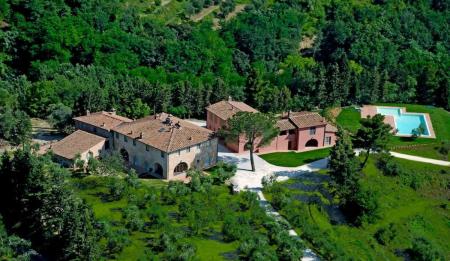
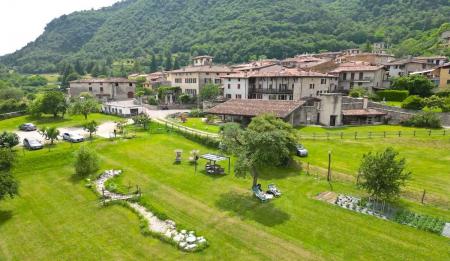
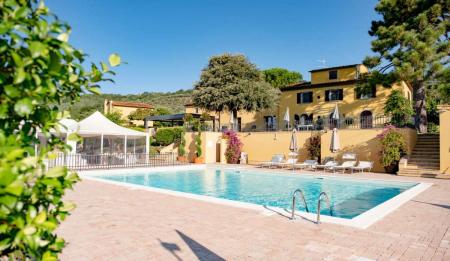
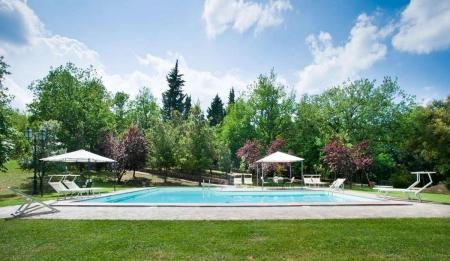
Architectural barriers within accommodations: why not eliminate these barriers? Here's a selection of vacation rentals, villas, guesthouses, B&Bs, and farmhouses with accessible amenities , built or otherwise customized for anyone with mobility issues, so they can get around easily and fully enjoy their vacation, with every possible comfort. Browse the properties on Agriturismo.net with accessible rooms and bathrooms, ramps at the entrance, and access to stairs and other areas. Choose your accessible farmhouse !
Vacation should be a time of pure pleasure and indulgences, both large and small, not of toil and deprivation!


You could be interested in these additional travel tips
Discover all our ideas for your next weekend! A relaxing, with dinner, or a romantic getaway: we've got what you need!